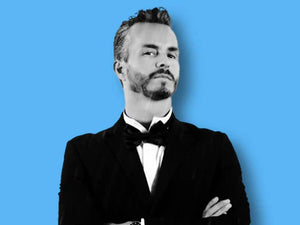

Catherine Delcin-Zilpa
Catherine Delcin-Zilpa is the founder of Delcin Consulting Group, a boutique law firm specializing in business, civil litigation, and intellectual property. A lawyer with degrees in both law and psychology, she has served as a Teen Court Judge, a FINRA Arbitrator, an international speaker, a bestselling author, and now joins the BASA Awards Judging Panel.
Catherine, you’ve built a career at the intersection of business and law. How did your entrepreneurial journey begin, and how do you define your work today?
I am many things, but mostly an entrepreneur at heart. I’ve always seen myself that way because, when you start a business, you put your heart and soul into it, even when you don’t yet have all the skills needed to run every aspect of it.
That mindset began at home. Both of my parents were entrepreneurs. I grew up in an environment where entrepreneurship wasn’t necessarily celebrated, but it was certainly accepted. That stayed with me. It shaped how I approached work and opportunity, and ultimately how I built my own path.
You’ve led businesses, teams, and organizations throughout your career. What principles have shaped your approach to leadership?
Leadership, to me, means putting people before plans. We’re seeing a more humanistic approach to leadership, and I believe that’s exactly what leadership should be. The people who make an organization successful need to be supported first. If their needs aren’t being met, whether financially or through an environment that encourages their own growth, then something is wrong.
That’s why I believe leadership begins with people. When they’re supported, the company moves forward at a higher level.
Following on from that, what role does culture play in turning a group of people into a strong team?
Building a strong culture starts long before someone joins the organization. It begins with careful vetting and a genuine alignment of values.
When people genuinely believe in where a company is headed, they’re willing to put all hands on deck because they’re working toward something they believe in, not simply filling a role.
Culture is one part of the equation. What do you believe ultimately determines whether a business succeeds?
Success starts with knowing your purpose and how it can serve other people. If you focus on what you’re here to do and the clients who benefit from it, you’re far more likely to build a successful business because your message reaches the audience it was meant for.
It also means being clear about what your business does best. Specializing makes it easier for people to understand what you offer, whereas trying to do too many things can leave them confused. The clearer and more distinctive your offering is, the easier it is for people to recognize its value.
“Authenticity is a superpower.”
A clear message is essential, but what makes people truly believe it?
Authenticity matters because people are far more likely to trust you and take you at your word when your business reflects what you genuinely believe and you embody the message you’re sharing.
In many ways, I see authenticity as a superpower. If you’re building a business, you need to be comfortable standing behind your products and services. When you don’t genuinely believe in what you’re asking others to buy into, clients sense it, and it’s much harder to earn their trust.
For more information about Catherine Delcin-Zilpa and Delcin Consulting Group, visit here.


MEET THE JUDGES

Xile He
We recently welcomed Xile He to the BASA Awards Judging Panel. As Head of Gro...
Steph Briggs
We recently welcomed Steph Briggs to the BASA Awards Judging Panel. Founder o...
Stacey Ross Cohen
Stacey Ross Cohen is the CEO of Co-Communications, an author, speaker, educat...
Seva Ustinov
We recently welcomed Seva Ustinov to the BASA Awards Judging Panel. As the fo...
Scott Pipitone
We recently welcomed Scott Pipitone to the BASA Awards Judging Panel. As CEO ...
Heather Holmes
We recently welcomed Heather Holmes to the BASA Awards Judging Panel. Heather...
Dr. Tamara Nall
The BASA Awards recently welcomed Dr. Tamara Nall to the BASA Awards Judging ...
Davis Richardson
Davis Richardson is the founder of Paradox and is also the CEO of AUSP Inc., ...
Catherine Delcin-Zilpa
Catherine Delcin-Zilpa is the founder of Delcin Consulting Group, a boutique ...
Annie P. Ruggles
The BASA Awards recently welcomed Annie P. Ruggles to our Judging Panel. A st...
Akhil Verghese
We recently welcomed Akhil Verghese to the BASA Awards Judging Panel. As co-f...
Michele Allen

Nitin Kishen
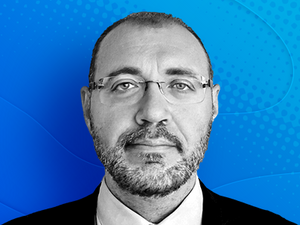
Dennis Galletti

Awais Sher Bajwa
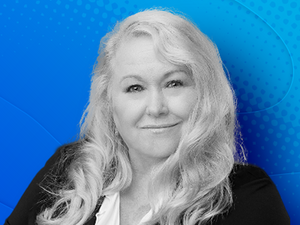
Sharon Bonner

Jessica Willis
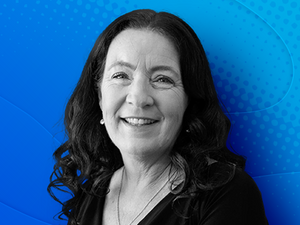
Kellie Dyer

Devon Montgomery Pasha

Ashish Kedia

Ramlakshmi Murugan

Dr. Rod Segnini

Dr. Tejesh Reddy Singasani

Derrin Brown

Nikhil Patil

Tania Tome
Tania is a highly accomplished and multifaceted professional known for her ex...
Dennis Reno
Customer Experience and Customer Success Executive with 30+ years of professi...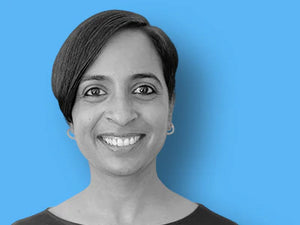
Sudha Ranganathan, LinkedIn
Sudha, a seasoned professional with 18 years of experience at P&G, Nielse...
Sumit Sanwal, American Express
Sumit is an IT leader, with 20+ years of experience in top leading financial ...
Sir. Cristiana Tudor, Greatness Media
Sir. Cristiana is a seasoned branding and storytelling educator whose goal is...
Param Singh, Oberon Securities
Param is an accomplished Vice President at Oberon Securities, leveraging over...
Tom DuFore, Big Sky
Dr. Tom DuFore is the CEO of Big Sky Franchise Team, where he is responsible ...
Jessica Tiller, Pugh & Tiller PR
Jessica is a PR executive with two decades of public relations experience dev...
Mia Still Osorno, MSN Talent
Mia Still Osorno is the CEO and founder of MNS Talent and Consulting, 9 to Th...
Rachel Russell, EY
I connect with business leaders of high-growth companies and strategically po...
Matteo Osso, QVC TV
Matteo is a TV personality, radio host, and personal branding expert.
Anna Stella, BBSA
Two-time national award-winning marketing expert, academic researcher.