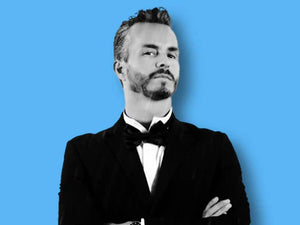
Xile He
We recently welcomed Xile He to the BASA Awards Judging Panel. As Head of Growth at Mocha, a Y Combinator-backed AI startup, Xile helped grow the company from zero to more than 300,000 users and multi-seven-figure annual recurring revenue in just seven months before its acquisition. She shared her entrepreneurial journey, how AI is transforming entrepreneurship, and what today's founders need to succeed.
Xile, tell us about your entrepreneurial journey and what you do today?
I'm a serial entrepreneur who loves creating products that solve real problems. Throughout my career, I've focused on building businesses that create value, whether through media, technology, or AI.
I began my career in investment banking in Hong Kong, but I always knew I wanted to build something of my own. That led me to launch my first startup, a financial media newsletter that became the largest in Southeast Asia before it was acquired. Since then, I've worked across fintech, e-commerce, and AI, eventually joining Mocha because I believed in its mission of helping non-technical founders build apps and websites without writing code.
AI has dramatically lowered the barriers to building software. How has that changed what it takes to build a successful startup today?
Today, the biggest difference is traction. AI has made it easier than ever to build products, so creating software is no longer the hardest part. The real challenge is reaching customers and proving that people genuinely want what you've built.
Founders also need to think carefully about product-market fit and long-term differentiation. If a company like OpenAI or Anthropic releases a similar feature tomorrow, would your business still have an advantage? That's a question every entrepreneur should ask before launching a startup.
“The goal is to create something that delivers genuine value and serves customers well. Recognition is often a natural outcome of that focus.”
You've built businesses across Asia and North America. How has that shaped your perspective on leadership and entrepreneurship?
One of the biggest differences I've noticed is how cultures view young entrepreneurs. In Asia, people often expect founders to spend years building corporate experience before starting a business. In Silicon Valley, younger founders are often encouraged because they're quick to embrace emerging technologies and new ways of thinking.
For me, leadership isn’t about age. It’s about the experiences that shape how you think and act. Someone who has spent years immersed in AI can bring tremendous value regardless of how old they are. That’s changing who gets to build successful companies, which is why I believe this is one of the best times in history to start a business.
“For me, leadership isn’t about age. It’s about the experiences that shape how you think and act.”
Leadership is only part of the equation. How important is building the right team?
The team is everything. I've built businesses across Hong Kong, Singapore, Canada, New York, and San Francisco, and one lesson stands out above all else: great businesses are built by people with the right mindset. Startup teams need what I call "startup DNA." They have to enjoy building something from zero, embrace uncertainty, challenge conventional thinking, and be willing to take risks. Those qualities are what drive innovation and help businesses create meaningful change.
Location also matters. Being surrounded by talented, ambitious people creates opportunities to learn faster and push ideas further than you could on your own. That's why I've found places like Silicon Valley to be such powerful environments for entrepreneurs.
Where do you see the biggest opportunities for entrepreneurs as AI continues to evolve?
The biggest opportunity is helping traditional businesses benefit from AI. For a long time, technology and more traditional industries felt like separate worlds, but that's changing very quickly.
At Mocha, we worked with hundreds of thousands of founders and small business owners, from restaurant owners to contractors and renovation companies, who were using AI to build websites, automate workflows, and solve everyday business challenges. That's why I believe the next wave of innovation won't come from AI replacing traditional businesses. It will come from making AI accessible enough to help those businesses work smarter, grow faster, and compete more effectively.
The AI industry moves incredibly fast. How do you switch off and avoid burnout?
When I started my first business, I was working 15 to 17 hours a day. I quickly realized that pace wasn't sustainable and would eventually lead to burnout. Now, I focus less on work-life balance and more on finding ways to recharge. One of my favorite ways to do that is taking road trips to national parks, where there's little or no Wi-Fi. Being completely disconnected from technology gives my mind a chance to rest and helps me step away from the constant pace of the AI world.
I think every business owner needs something that allows them to switch off, whether that's traveling, spending time with family, or pursuing a hobby that's completely unrelated to work. High-energy entrepreneurs often find it difficult to slow down, but giving your brain the opportunity to reset is essential. When you come back, you return with fresh energy, a clearer perspective, and often your best ideas.
As a member of the BASA Awards Judging Panel, what role do awards play in helping businesses grow?
Awards recognize the qualities behind successful businesses, whether that's product quality, innovation, market potential, or the ability to solve real customer problems.
For me, the goal shouldn't be to build a business simply to win awards. The goal is to create something that delivers genuine value and serves customers well. Recognition is often a natural outcome of that focus.
For more information about Xile He and Mocha, visit here.


MEET THE JUDGES

Xile He
We recently welcomed Xile He to the BASA Awards Judging Panel. As Head of Gro...
Steph Briggs
We recently welcomed Steph Briggs to the BASA Awards Judging Panel. Founder o...
Stacey Ross Cohen
Stacey Ross Cohen is the CEO of Co-Communications, an author, speaker, educat...
Seva Ustinov
We recently welcomed Seva Ustinov to the BASA Awards Judging Panel. As the fo...
Scott Pipitone
We recently welcomed Scott Pipitone to the BASA Awards Judging Panel. As CEO ...
Heather Holmes
We recently welcomed Heather Holmes to the BASA Awards Judging Panel. Heather...
Dr. Tamara Nall
The BASA Awards recently welcomed Dr. Tamara Nall to the BASA Awards Judging ...
Davis Richardson
Davis Richardson is the founder of Paradox and is also the CEO of AUSP Inc., ...
Catherine Delcin-Zilpa
Catherine Delcin-Zilpa is the founder of Delcin Consulting Group, a boutique ...
Annie P. Ruggles
The BASA Awards recently welcomed Annie P. Ruggles to our Judging Panel. A st...
Akhil Verghese
We recently welcomed Akhil Verghese to the BASA Awards Judging Panel. As co-f...
Michele Allen
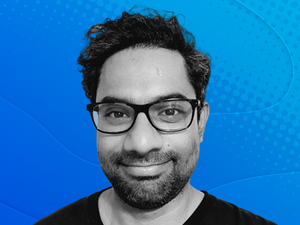
Nitin Kishen
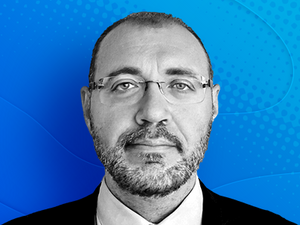
Dennis Galletti

Awais Sher Bajwa
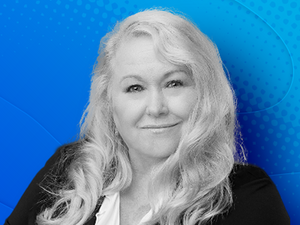
Sharon Bonner
Jessica Willis
Kellie Dyer

Devon Montgomery Pasha
Ashish Kedia

Ramlakshmi Murugan

Dr. Rod Segnini
Dr. Tejesh Reddy Singasani
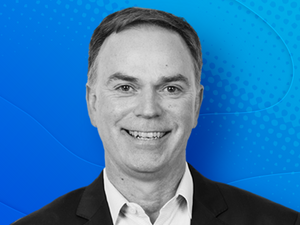
Derrin Brown

Nikhil Patil

Tania Tome
Tania is a highly accomplished and multifaceted professional known for her ex...
Dennis Reno
Customer Experience and Customer Success Executive with 30+ years of professi...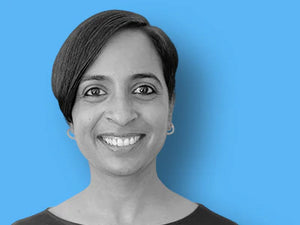
Sudha Ranganathan, LinkedIn
Sudha, a seasoned professional with 18 years of experience at P&G, Nielse...
Sumit Sanwal, American Express
Sumit is an IT leader, with 20+ years of experience in top leading financial ...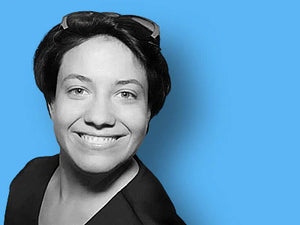
Sir. Cristiana Tudor, Greatness Media
Sir. Cristiana is a seasoned branding and storytelling educator whose goal is...
Param Singh, Oberon Securities
Param is an accomplished Vice President at Oberon Securities, leveraging over...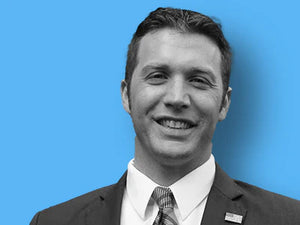
Tom DuFore, Big Sky
Dr. Tom DuFore is the CEO of Big Sky Franchise Team, where he is responsible ...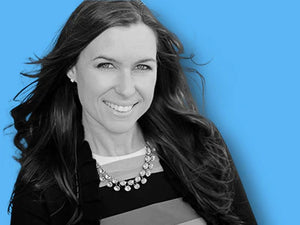
Jessica Tiller, Pugh & Tiller PR
Jessica is a PR executive with two decades of public relations experience dev...
Mia Still Osorno, MSN Talent
Mia Still Osorno is the CEO and founder of MNS Talent and Consulting, 9 to Th...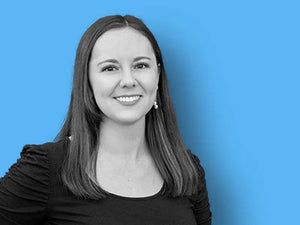
Rachel Russell, EY
I connect with business leaders of high-growth companies and strategically po...
Matteo Osso, QVC TV
Matteo is a TV personality, radio host, and personal branding expert.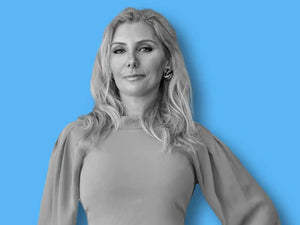
Anna Stella, BBSA
Two-time national award-winning marketing expert, academic researcher.