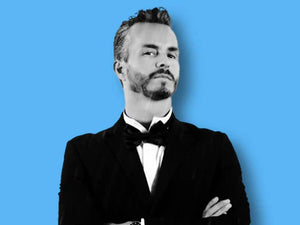

Akhil Verghese
We recently welcomed Akhil Verghese to the BASA Awards Judging Panel. As co-founder of Krazimo and a former Google engineer, Akhil is helping businesses adopt AI in practical, reliable ways. He shared insights on building an AI-native company, what leadership looks like in a startup environment, and why trust remains one of the most valuable assets for small businesses.
You left a successful career at Google to co-found Krazimo. What opportunity did you see that convinced you it was the right time to build your own company, and how does Krazimo help businesses today?
I spent more than a decade working as a software engineer, including six years at Google, where my co-founder and I worked on applying AI to problems within Google Workspace. During that time, we developed techniques that helped reduce tech hallucinations and improve the reliability of AI systems. As I started speaking publicly about that work, companies began reaching out to ask whether we could help them implement similar solutions. What began as a side project eventually grew into a full-time business.
Today, Krazimo helps businesses become AI-native. We help organizations structure their information, manage access to tools and data, and build AI systems that are reliable, safe, and capable of operating in real-world business environments.
You’ve seen leadership from both sides: within one of the world’s largest technology companies and as the founder of your own business. How did that transition change your perspective on what makes an effective leader?
Leadership looks very different in a startup than it does in a large corporation. When I was leading teams at Google, I thought I understood leadership. Starting my own company taught me that the reality is often much less glamorous than people imagine. In many cases, being CEO simply means doing the work that nobody else wants to do.
One of the most important lessons I’ve learned is that people are motivated by different things. Some are driven by financial rewards, some by impact, and others by the opportunity to learn and tackle new challenges. Taking the time to understand what matters to each person makes all the difference when you’re building a team.
"Starting my own company taught me that the reality is often much less glamorous than people imagine. In many cases, being CEO simply means doing the work that nobody else wants to do."
What was the biggest adjustment when moving from Google to building Krazimo?
The biggest thing I had to unlearn was assuming an audience already existed. At a company like Google, millions of users are already there. Your responsibility is to ensure that what you build meets a high standard and doesn't damage the brand. You don't spend much time worrying about whether people will discover your product.
In a startup, the opposite is true. The audience isn't guaranteed. You have to earn attention, validate ideas quickly, and understand what matters to the people you're trying to reach. I spent too much time initially trying to perfect things before testing whether anyone actually wanted them. That's a common trap for people coming from large organizations where scale is built into the business model. Entrepreneurship teaches you very quickly that validation matters more than perfection.
"The biggest thing I had to unlearn was assuming an audience already existed."
Why are small businesses so important to their communities?
Small businesses create something that larger organizations often struggle to replicate: a genuine sense of belonging. It's easy to focus on the idea that every successful company starts small, but that can unintentionally suggest that businesses that don't become global corporations have somehow failed. I don't believe that's true at all.
Many people thrive in smaller organizations because of the culture, flexibility, and personal relationships they provide. I've seen situations where business owners support employees through difficult periods simply because they care about them as people, not because a policy requires it. As organizations grow, processes become more standardized and formalized. Small businesses have a unique ability to create cultures that feel personal and authentic. Even if they never grow into large corporations, that contribution alone adds enormous value to communities and society.
Why are awards important for small businesses?
For small businesses, trust is everything. Large organizations often benefit from brand recognition that has been built over decades. Smaller companies don't have that advantage. They have to earn credibility one relationship at a time. A significant number of our customers come to us through referrals, and a referral is really a stand-in for brand recognition: someone the buyer already trusts is vouching for us.
An award can serve a similar function for someone who has never heard of you and doesn't know anyone who has. It provides independent recognition of the work a business has done and the results it has achieved. In a world where anyone can create a website or launch a company overnight, that kind of recognition gives potential customers greater confidence that a business is credible and worth considering.
One final question: what's your favorite AI tool?
It depends on the task, but the tool I use most frequently is Claude Code. There are many excellent AI models available today, and different tools excel in different areas. What stands out to me about Claude Code is its ability to work through problems iteratively, connect with other tools, and handle complex technical tasks in a practical way.
Like any technology, the value comes from understanding how to use it effectively. For my workflow, it's become one of the tools I rely on most and would find very difficult to replace.
For more information about Akhil Verghese and Krazimo, visit Krazimo.


MEET THE JUDGES

Xile He
We recently welcomed Xile He to the BASA Awards Judging Panel. As Head of Gro...
Steph Briggs
We recently welcomed Steph Briggs to the BASA Awards Judging Panel. Founder o...
Stacey Ross Cohen
Stacey Ross Cohen is the CEO of Co-Communications, an author, speaker, educat...
Seva Ustinov
We recently welcomed Seva Ustinov to the BASA Awards Judging Panel. As the fo...
Scott Pipitone
We recently welcomed Scott Pipitone to the BASA Awards Judging Panel. As CEO ...
Heather Holmes
We recently welcomed Heather Holmes to the BASA Awards Judging Panel. Heather...
Dr. Tamara Nall
The BASA Awards recently welcomed Dr. Tamara Nall to the BASA Awards Judging ...
Davis Richardson
Davis Richardson is the founder of Paradox and is also the CEO of AUSP Inc., ...
Catherine Delcin-Zilpa
Catherine Delcin-Zilpa is the founder of Delcin Consulting Group, a boutique ...
Annie P. Ruggles
The BASA Awards recently welcomed Annie P. Ruggles to our Judging Panel. A st...
Akhil Verghese
We recently welcomed Akhil Verghese to the BASA Awards Judging Panel. As co-f...
Michele Allen
Nitin Kishen
Dennis Galletti
Awais Sher Bajwa
Sharon Bonner
Jessica Willis
Kellie Dyer
Devon Montgomery Pasha
Ashish Kedia
Ramlakshmi Murugan
Dr. Rod Segnini
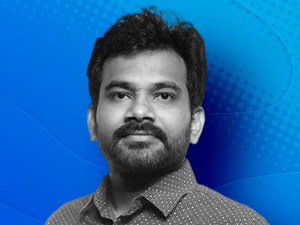
Dr. Tejesh Reddy Singasani
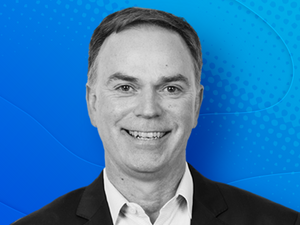
Derrin Brown
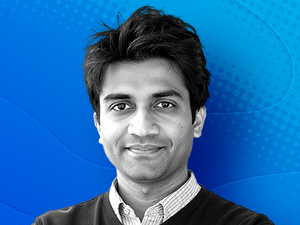
Nikhil Patil
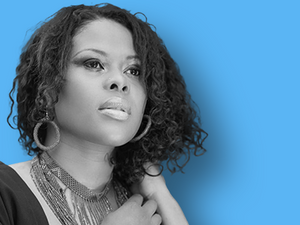
Tania Tome
Tania is a highly accomplished and multifaceted professional known for her ex...
Dennis Reno
Customer Experience and Customer Success Executive with 30+ years of professi...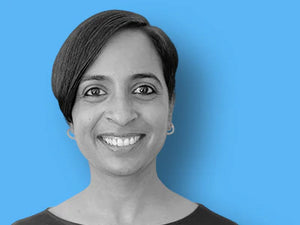
Sudha Ranganathan, LinkedIn
Sudha, a seasoned professional with 18 years of experience at P&G, Nielse...
Sumit Sanwal, American Express
Sumit is an IT leader, with 20+ years of experience in top leading financial ...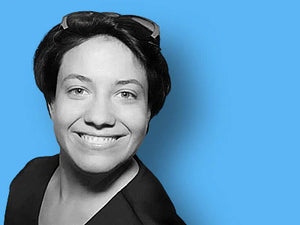
Sir. Cristiana Tudor, Greatness Media
Sir. Cristiana is a seasoned branding and storytelling educator whose goal is...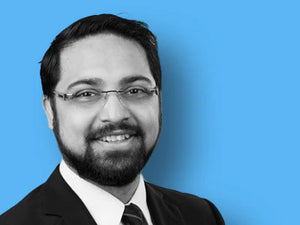
Param Singh, Oberon Securities
Param is an accomplished Vice President at Oberon Securities, leveraging over...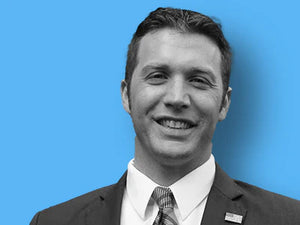
Tom DuFore, Big Sky
Dr. Tom DuFore is the CEO of Big Sky Franchise Team, where he is responsible ...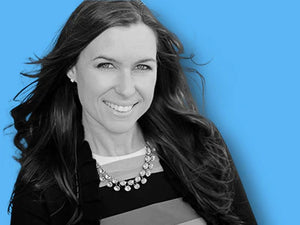
Jessica Tiller, Pugh & Tiller PR
Jessica is a PR executive with two decades of public relations experience dev...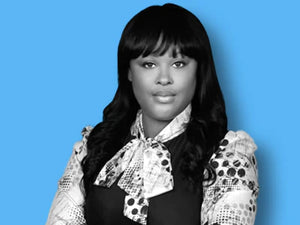
Mia Still Osorno, MSN Talent
Mia Still Osorno is the CEO and founder of MNS Talent and Consulting, 9 to Th...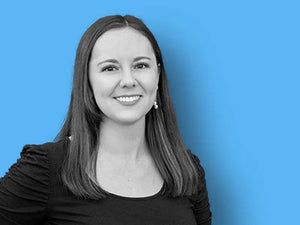
Rachel Russell, EY
I connect with business leaders of high-growth companies and strategically po...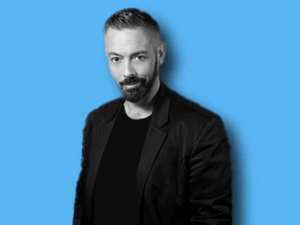
Matteo Osso, QVC TV
Matteo is a TV personality, radio host, and personal branding expert.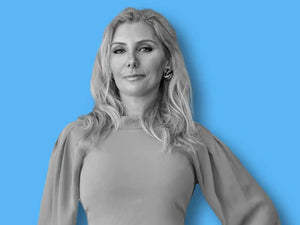
Anna Stella, BBSA
Two-time national award-winning marketing expert, academic researcher.